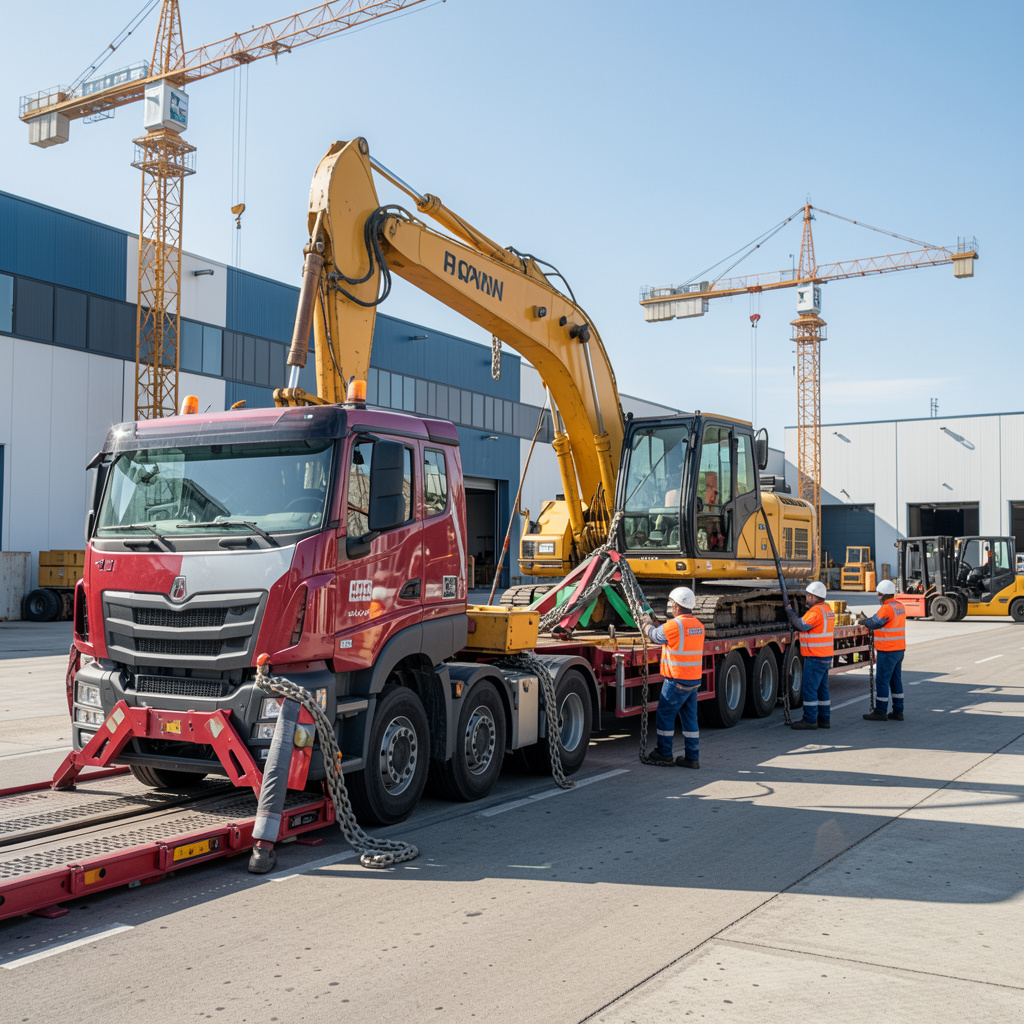
Transporting oversized machinery across multiple states is far more complex than moving standard freight. Cross country heavy haul services provide specialized transportation solutions for construction equipment, mining machinery, agricultural vehicles, energy components, and industrial assets that exceed standard size or weight limits. Every shipment requires detailed planning, regulatory compliance, specialized trailers, and experienced operators to ensure equipment reaches its destination safely and on schedule. Heavy Lux supports these transportation needs with solutions designed to prioritize safety, efficiency, and compliance throughout every stage of the hauling process.
For industries where downtime directly impacts productivity, selecting a dependable heavy haul transportation provider is a critical business decision. Proper planning minimizes delays, reduces transportation risks, and protects valuable investments throughout the journey.
Understanding Cross Country Heavy Haul Services
Cross country heavy haul services involve transporting oversized or overweight equipment across long distances using specialized trailers and hauling techniques. Unlike conventional freight shipping, heavy haul transportation requires extensive coordination before a vehicle even begins moving.
Planning typically includes:
- Measuring equipment dimensions and weight
- Selecting the appropriate trailer
- Obtaining oversize and overweight permits
- Mapping approved travel routes
- Coordinating escort vehicles when required
- Scheduling deliveries around state transportation regulations
Each step contributes to a safer and more efficient transportation process while helping prevent unexpected interruptions.
Why Professional Heavy Haul Transportation Matters
Heavy equipment represents a significant investment for businesses across numerous industries. Improper transportation can result in costly repairs, project delays, regulatory penalties, or safety hazards.
Professional transportation providers help reduce these risks by following established procedures designed for oversized freight. Their expertise allows shipments to comply with varying state regulations while ensuring cargo remains secure from pickup through final delivery.
Businesses also benefit from improved scheduling, allowing equipment to arrive when projects require it rather than experiencing unnecessary delays.
Industries That Depend on Cross Country Heavy Haul Services
Many industries rely on specialized transportation because their equipment cannot be moved using conventional freight carriers.
Common industries include:
- Construction
- Agriculture
- Mining
- Oil and gas
- Renewable energy
- Manufacturing
- Infrastructure development
- Utility services
Each sector uses machinery with unique dimensions, weight requirements, and transportation challenges that require customized hauling solutions.
Common Equipment Transported
Heavy haulers routinely transport equipment such as:
- Excavators
- Bulldozers
- Wheel loaders
- Backhoes
- Cranes
- Motor graders
- Tractors
- Skid steers
- Forklifts
- Asphalt pavers
- Industrial generators
- Compressors
- Manufacturing equipment
- Large storage tanks
Each machine requires secure loading techniques, specialized tie-down methods, and trailers capable of supporting significant weight while maintaining stability throughout transport.
Choosing the Right Trailer
Selecting the correct trailer is one of the most important aspects of successful heavy equipment transportation. Different equipment types require different trailer configurations depending on dimensions, ground clearance, axle weight, and loading requirements.
Common trailer options include:
Lowboy Trailers
Lowboy trailers are commonly used for tall and heavy equipment because their lower deck height provides additional clearance under bridges and overhead structures.
Step Deck Trailers
Step deck trailers accommodate equipment that exceeds standard flatbed height limitations while remaining efficient for moderately oversized loads.
Flatbed Trailers
Flatbeds work well for machinery and materials that remain within legal height restrictions and can be loaded from multiple directions.
Extendable Trailers
Long construction materials, bridge components, wind energy equipment, and industrial structures often require extendable trailers that can safely support additional length.
Choosing the appropriate trailer improves safety, minimizes loading challenges, and helps ensure compliance with transportation regulations.
Route Planning Plays a Critical Role
Route planning extends well beyond selecting the shortest distance between pickup and delivery locations.
Transportation specialists evaluate numerous factors, including:
- Bridge weight restrictions
- Highway clearances
- Road construction
- Seasonal travel limitations
- Traffic patterns
- State transportation regulations
- Weather forecasts
- Fuel availability
- Rest locations for drivers
Proper planning helps reduce delays while avoiding roads that cannot safely accommodate oversized equipment.
Regulatory Compliance Cannot Be Overlooked
Oversized transportation must comply with regulations established by individual states and transportation authorities. Requirements often vary depending on equipment dimensions, axle weights, travel times, and designated hauling routes.
Important compliance considerations include:
- Oversize permits
- Overweight permits
- Escort vehicle requirements
- Restricted travel hours
- Holiday travel limitations
- Safety inspections
- Proper warning signage
- Lighting and visibility requirements
Meeting these requirements helps reduce legal complications while supporting safer roadways for all motorists.
Proper Equipment Preparation Before Transport
Preparing machinery before pickup reduces transportation risks and streamlines loading procedures.
Recommended preparation steps include:
- Cleaning equipment for inspection
- Measuring dimensions accurately
- Documenting existing condition with photographs
- Removing detachable accessories
- Securing loose components
- Checking tire pressure when applicable
- Verifying fuel levels according to transportation guidelines
- Locking moving parts
- Protecting sensitive components
Well-prepared equipment is easier to secure and less likely to experience damage during transit.
Safe Loading and Securement Procedures
Loading oversized equipment requires experienced operators who understand proper weight distribution and securement techniques.
Heavy-duty chains, binders, straps, blocking systems, and specialized tie-down equipment help prevent movement while traveling over varying road conditions.
Proper securement protects not only the cargo but also surrounding motorists by reducing the possibility of shifting loads during transportation.
Technology Improves Heavy Haul Transportation
Modern logistics technology has significantly improved heavy haul operations.
Many transportation providers utilize:
- GPS shipment tracking
- Digital route optimization
- Electronic documentation
- Fleet management systems
- Real-time communication
- Preventive vehicle maintenance software
These tools improve visibility throughout the transportation process while allowing customers to monitor shipment progress more effectively.
Factors That Influence Transportation Costs
Several variables affect pricing for cross country heavy haul services.
Major cost factors include:
- Shipping distance
- Equipment dimensions
- Overall weight
- Trailer requirements
- Permit fees
- Escort vehicle requirements
- Route complexity
- Fuel costs
- Seasonal demand
- Loading and unloading conditions
Understanding these factors helps businesses develop more accurate transportation budgets while avoiding unexpected expenses.
Reducing Transportation Risks
Every heavy haul shipment carries potential risks, but careful planning significantly minimizes them.
Best practices include:
- Working with experienced heavy haul specialists
- Performing detailed equipment inspections
- Using properly maintained trailers
- Confirming permit approvals
- Monitoring weather conditions
- Maintaining clear communication throughout transportation
- Following secure loading procedures
- Scheduling deliveries with realistic timelines
Taking these precautions improves reliability while protecting valuable equipment throughout long-distance transportation.
Benefits of Professional Cross Country Heavy Haul Services
Choosing experienced professionals provides several operational advantages.
Key benefits include:
- Improved shipment safety
- Reduced project delays
- Regulatory compliance
- Specialized transportation equipment
- Experienced drivers
- Efficient logistics coordination
- Reliable communication
- Lower risk of equipment damage
- Greater scheduling flexibility
These advantages allow businesses to focus on operations while transportation experts manage the complexities of oversized freight.
Conclusion
Successful equipment transportation depends on planning, expertise, and attention to detail from beginning to end. Professional cross country heavy haul services help businesses move oversized machinery safely while meeting regulatory requirements, protecting valuable assets, and minimizing costly project delays. Heavy Lux provides dependable heavy haul transportation solutions backed by careful logistics planning, specialized equipment, and a commitment to safe, efficient deliveries that support businesses across a wide range of industries.
About the Author