Wooden structures add strength, beauty, and durability to homes, cabins, decks, roofs, fences, and furniture. However, because wood is a natural material, it can become vulnerable to moisture, woodworm, termites, mold, cracking, and structural wear over time. Small problems often begin quietly and may remain hidden until expensive repairs become necessary.
Regular inspections are one of the best ways to protect timber and prevent serious structural issues. The earlier damage is identified, the easier and more affordable it usually becomes to repair. Whether you are checking roof beams, flooring, outdoor decking, fences, or wooden furniture, knowing what to look for can save time and money.
Many homeowners researching timber care through shashel.eu/ understand that routine inspections are essential for protecting wooden structures and avoiding long-term damage.
In this guide, we will explain how to inspect wooden structures for damage, common warning signs to watch for, and how to identify problems before they become severe.
Why Wooden Structure Inspections Matter
Wood changes naturally over time.
Without regular inspections, problems such as:
- Moisture damage
- Woodworm infestation
- Mold
- Rot
- Cracks
may quietly spread.
Benefits of Routine Inspection
Regular checks help:
- Detect problems early
- Reduce repair costs
- Improve structural safety
Prevention is always easier than restoration.
Step 1: Start With a Visual Inspection
The first step is carefully examining the wood.
What to Look For
Check for:
- Small holes
- Cracks
- Discoloration
- Powdery dust
Why Visual Checks Matter
Many wood problems show early warning signs.
Even small changes deserve attention.
Inspect both visible and hidden areas.
Step 2: Check for Small Holes in Wood
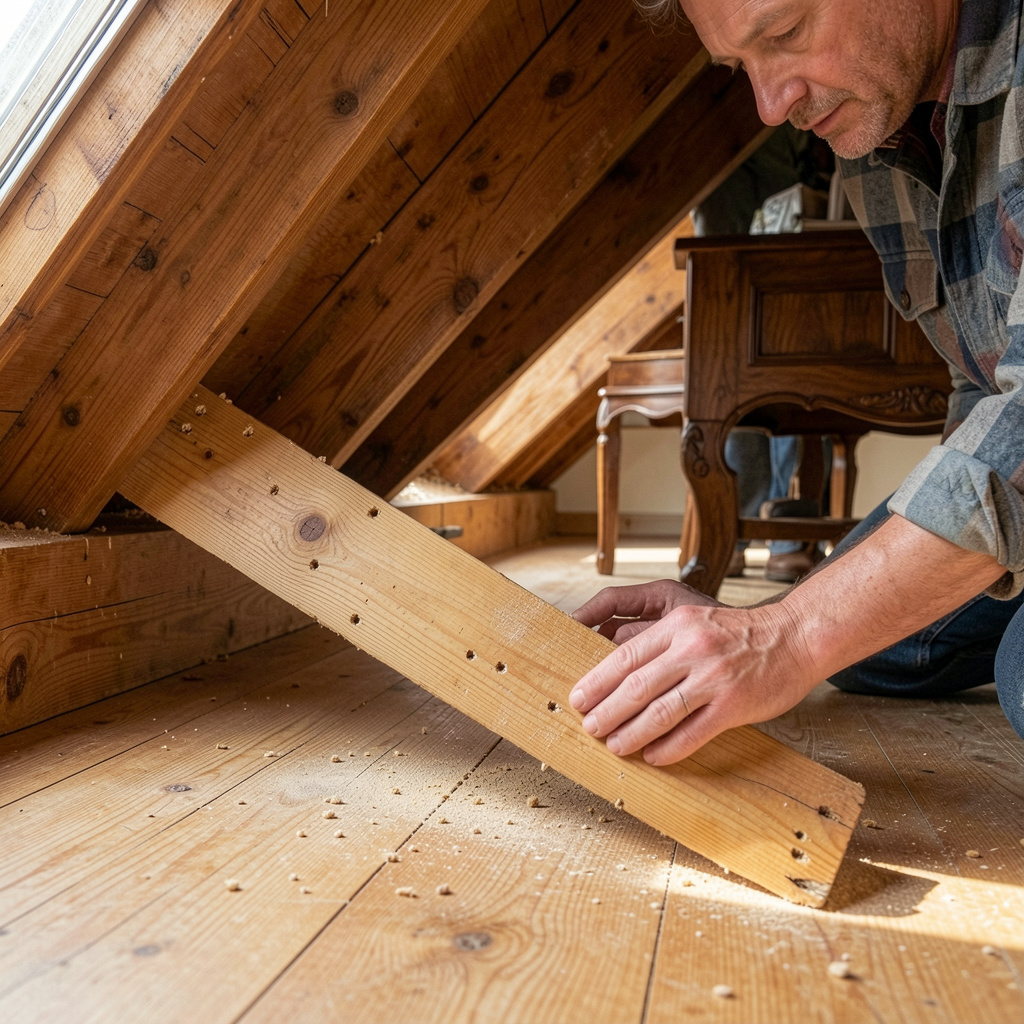
Tiny holes may indicate insect activity.
What Small Holes Could Mean
Small round holes often suggest:
- Woodworm infestation
- Beetle activity
Areas Worth Inspecting
Pay attention to:
- Roof beams
- Furniture
- Floorboards
- Ceiling joists
Fresh holes deserve closer inspection.
Never ignore repeated signs.
Step 3: Look for Powdery Wood Dust
Fine dust near wood often signals insect activity.
This dust is commonly called frass.
Why Dust Matters
Powdery dust may indicate:
- Active woodworm feeding
Common Places to Check
Inspect around:
- Furniture legs
- Floor edges
- Wooden beams
Fresh dust often means infestation remains active.
Early treatment helps protect timber.
Many homeowners researching timber care through shashel.eu know that fresh dust is often one of the clearest warning signs of hidden wood damage.
Step 4: Check for Moisture Damage
Moisture is one of timber’s biggest enemies.
Signs of Moisture Problems
Look for:
- Water stains
- Damp patches
- Musty smells
Why Moisture Matters
Damp timber becomes vulnerable to:
- Woodworm
- Mold
- Rot
Moisture should never be ignored.
Fix leaks quickly.
Step 5: Feel the Wood Surface
Touch can reveal hidden problems.
What Healthy Wood Feels Like
Strong timber should feel:
- Solid
- Firm
Warning Signs
Damaged wood may feel:
- Soft
- Fragile
Soft wood may indicate:
- Moisture damage
- Internal infestation
Weak timber deserves attention.
Step 6: Tap the Wood and Listen
A simple tapping test may reveal hidden damage.
How to Do It
Gently tap wooden surfaces.
What to Listen For
Healthy wood sounds:
- Solid
Damaged timber may sound:
- Hollow
- Empty
Hollow sounds often suggest internal deterioration.
This works especially well for:
- Beams
- Flooring
Step 7: Inspect Roof Beams and Structural Timber
Structural wood deserves extra attention.
High-Risk Areas Include
- Roof beams
- Ceiling supports
- Floor joists
Why Structural Wood Matters
Damage here may affect:
- Stability
- Safety
Check hidden roof spaces regularly.
Small warning signs should never be ignored.
Step 8: Inspect Outdoor Wooden Structures
Outdoor wood faces additional stress.
Areas to Check
Inspect:
- Decking
- Fences
- Pergolas
- Wooden stairs
Look for Signs Such As
- Cracks
- Rot
- Moisture damage
Weather exposure increases wear.
Routine maintenance matters.
Step 9: Watch for Mold or Rot
Mold often signals hidden moisture issues.
Warning Signs Include
- Musty smells
- Discoloration
- Soft wood
Why This Matters
Untreated fungal damage weakens timber.
Healthy airflow reduces mold risk.
Fix dampness quickly.
Step 10: Inspect Wooden Floors
Flooring often hides structural problems.
Signs of Damage Include
- Soft spots
- Uneven flooring
- Hollow sounds
Why Flooring Matters
Damage beneath floors may remain hidden.
Routine inspection protects long-term safety.
Step 11: Check Furniture Carefully
Furniture can reveal early wood damage.
What to Watch For
Inspect for:
- Loose joints
- Cracks
- Tiny holes
Antique furniture deserves extra care.
Routine checks improve preservation.
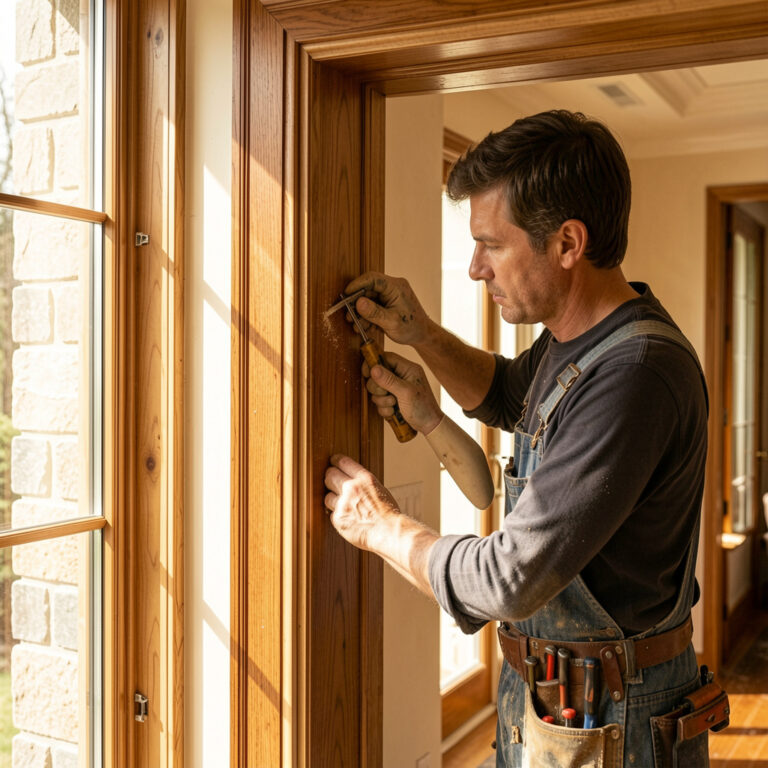
Step 12: Inspect Around Windows and Doors
Frames often experience moisture exposure.
Signs to Watch For
Look for:
- Swelling
- Cracks
- Soft timber
Water exposure may weaken wood over time.
Early repair prevents larger problems.
Best Times to Inspect Wooden Structures
Regular inspections improve prevention.
Recommended Times Include
- Seasonal changes
- After storms
- Following heavy rain
Frequent checks help detect problems early.
Consistency matters.
Common Mistakes Homeowners Make
Ignoring Small Cracks
Tiny issues often become larger problems.
Skipping Hidden Areas
Attics and crawl spaces matter.
Delaying Repairs
Waiting increases costs.
Assuming Old Damage Is Harmless
Hidden infestation may still remain active.
Routine care prevents surprises.
When to Call a Professional
Professional help is recommended if:
- Structural timber weakens
- Fresh dust appears
- Moisture damage spreads
Experts can assess:
- Hidden infestation
- Structural stability
Professional advice often prevents expensive repairs.
Long-Term Benefits of Regular Inspections
Routine checks provide major advantages.
Benefits Include
- Lower repair costs
- Longer timber lifespan
- Better structural safety
- Reduced stress
Healthy wood lasts much longer.
Prevention saves money.
Conclusion
Inspecting wooden structures regularly is one of the smartest ways to prevent serious damage and expensive repairs. By checking for holes, powdery dust, moisture stains, cracks, soft wood, mold, and structural weakness, homeowners can identify problems before they become severe.
Routine inspections of roof beams, flooring, furniture, outdoor timber, and hidden spaces help preserve wood and improve long-term safety.
About the Author